Software Architect · Bend, OR
Brian Love
Agentic software architect building developer tooling for fullstack AI-powered web applications.
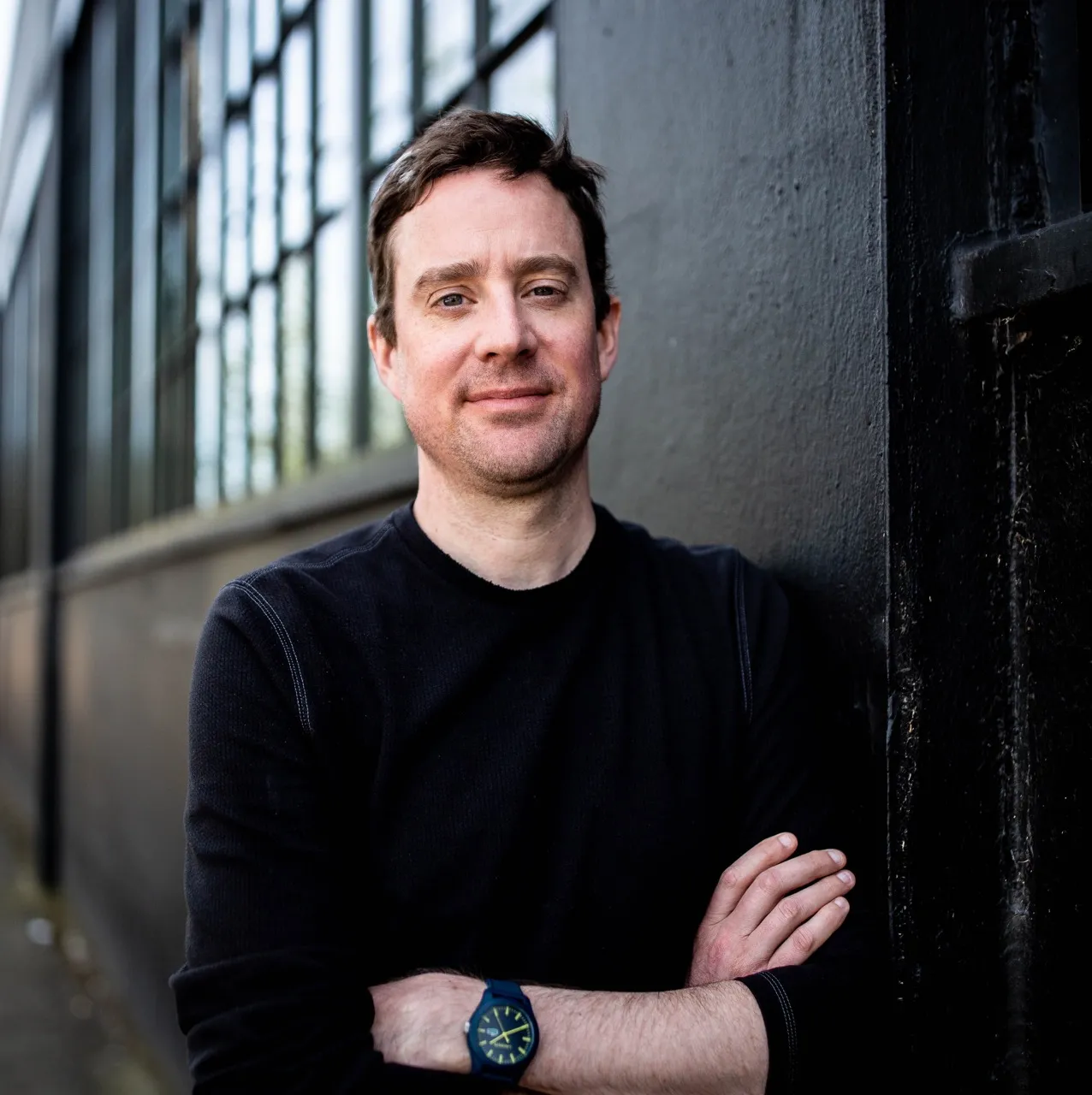
I build the systems and tooling behind AI-native product work.
Most of my work lives where product strategy, frontend architecture, developer experience, and AI interaction design overlap. I care about software that is useful in production, understandable to the team, and honest about the tradeoffs.
Writing and speaking are extensions of the same craft for me. They help me test ideas in public through articles, conference talks, and other media so the useful patterns can travel further than one team or one product cycle.
Faith, family, and place shape the kind of work I want to do.
I am a Christian, and that shapes how I think about ambition, responsibility, and the kind of work worth doing. I want technical excellence and personal integrity to point in the same direction.
I am married to Bonnie and we are raising our daughter in Bend. Life here has room for church, family, friends, and long days outside skiing, biking, hiking, and resetting in the mountains.
Writing
Software architecture, AI engineering, and the craft of building tools.
Featured
ai
Building LangGraph agents like Next.js Apps
Dawn is to LangGraph.js what Next.js is to React: file-system routes, route-local tools, generated types, a local dev loop, and LangSmith-ready build output.
ai
Bringing Agents to the Web with Angular: Announcing Threadplane
Threadplane is an open-source, Angular-native framework for building fullstack agentic applications — LangChain and AG-UI for the runtime, json-render and A2UI for generative UI, and Angular Signals all the way down.
ai
Building an Azure AI RAG Pipeline with SharePoint
A practical guide to building a production RAG pipeline that indexes SharePoint documents into Azure AI Search, chunks intelligently, generates embeddings, and grounds LLM responses in real organizational data.
ai
Agentic Memory and What It Means for Web Apps
Agentic memory changes web apps from thin shells around stateless prompts into systems that can learn across sessions, adapt behavior, and manage context as product infrastructure.